Why this matters more than it sounds
Two reasons, and neither is really about tidiness.
Water. Medication flushed down a toilet or put in the bin does not break down. Municipal treatment is not designed to remove it, so it ends up in the watershed. Take-back sends it to high-temperature destruction instead.
Cupboards. Accidental poisoning in small children overwhelmingly involves something found at home, not something bought. So does a good share of accidental harm in older adults, who take the wrong bottle from a shelf holding six years of accumulated leftovers. Clearing the cupboard is a genuine safety measure.
How to do it
- Gather everything. Original containers help us sort it, but a bag of loose tablets is fine too. Do not mix in anything sharp unless it is in a proper container.
- Needles go in a sharps container. Rigid, lid closed. Ask us for one in advance if you do not have it.
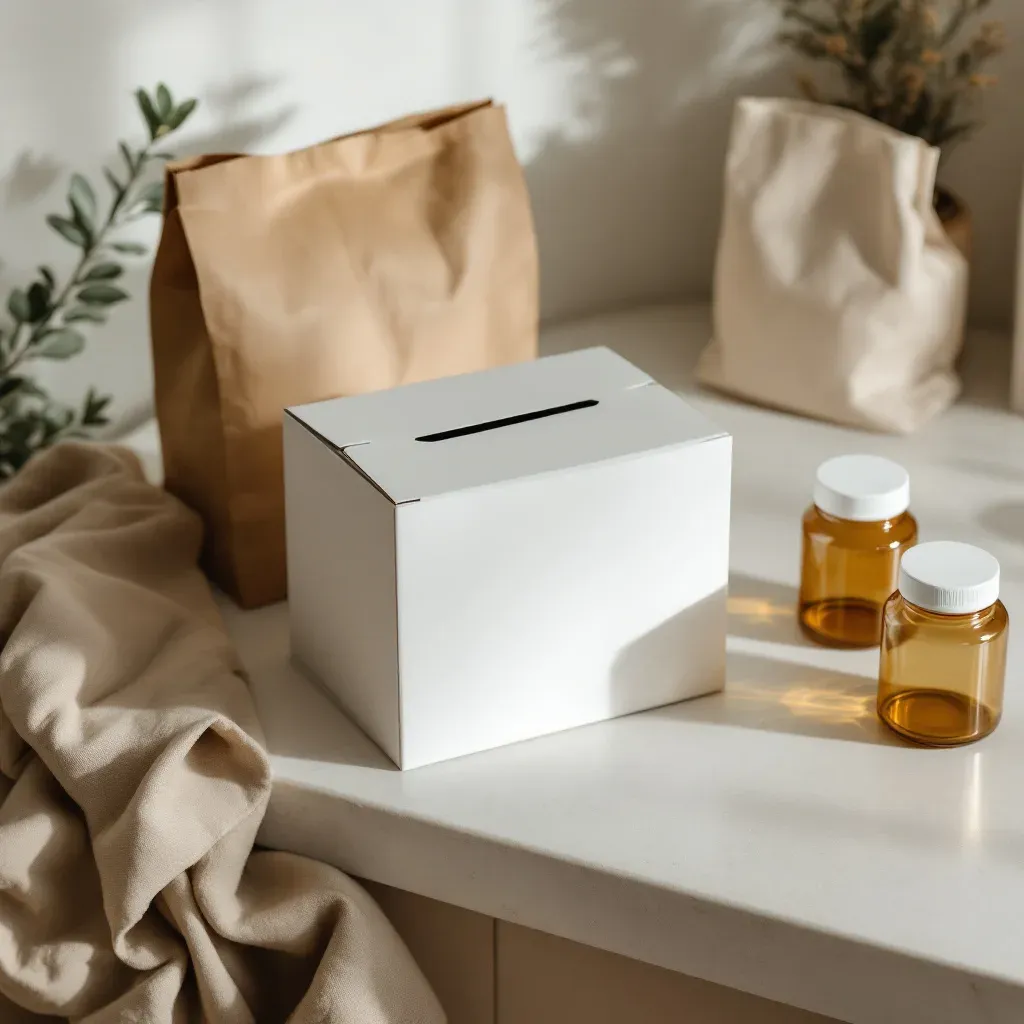
- Bring it to the counter during open hours. Hand it over and you are done. It takes under a minute of your time and we ask nothing.
Give us a call first if you are bringing a large amount — a full house clearance, for example — so we can have the right container ready.
What we cannot take
Household cleaning products, paint, motor oil, batteries, and electronics. These go to a York Region household hazardous waste depot rather than a pharmacy. Ask us and we will point you at the nearest one.
Clearing out after a death
This is the one people find hardest, and often it sits in a cupboard for a year because nobody wants to deal with it.
You can bring the whole lot in. You do not have to sort it, explain it, or account for it. If you would rather hand a bag to someone at the counter and leave, that is entirely fine — and if you would rather ring ahead so we can meet you at the door, call us and we will arrange it.